

Cat6e Cable Explained: Specs, Performance, and Whether It’s Worth Using Today
As modern networks continue to expand in speed, bandwidth, and reliability demands, choosing the right Ethernet cable has become more important than ever. Among the many cable types mentioned online, Cat6e cable is one of the most confusing. It is not officially recognized under TIA/EIA cabling standards, yet it is widely sold and used across commercial, residential, and industrial environments.
So what exactly is Cat6e? How is it different from Cat6, Cat6a, or Cat7? And is it still worth using today in 2025? This guide breaks everything down clearly—specs, performance, structure, shielding, real-world applications, and buying considerations—so you can choose confidently based on what your network truly needs.
What Is Cat6e Cable?
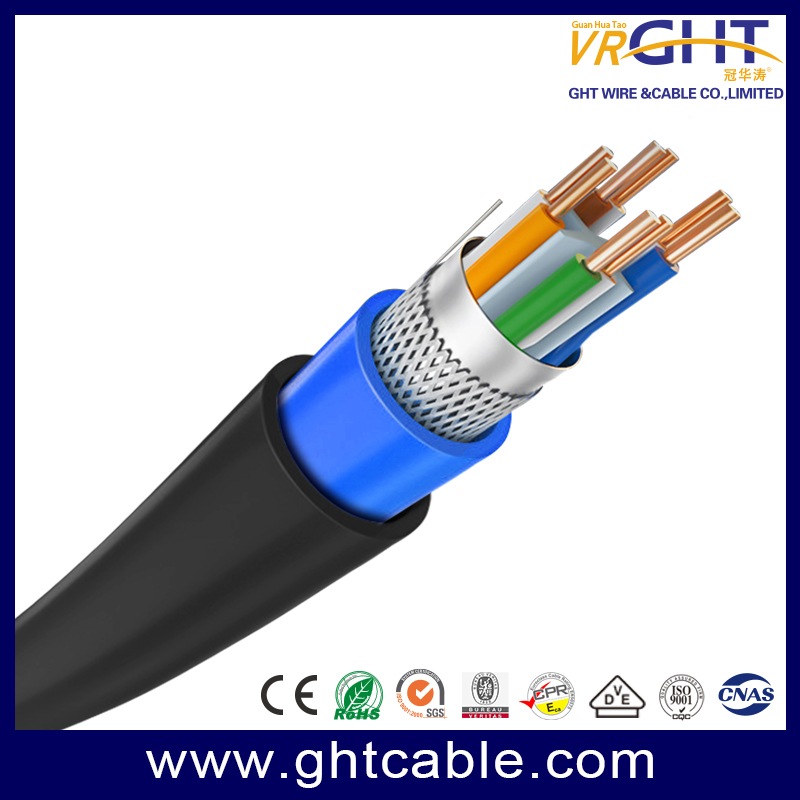
Cat6e (Category 6 Enhanced) is an upgraded version of Cat6 cable that delivers improved performance for high-speed network applications. Although it is not an officially standardized cable category, reputable manufacturers engineer Cat6e cables to exceed Cat6's performance, especially in areas such as:
- Crosstalk suppression
- Shielding options
- Stable gigabit and multi-gigabit transmission
- Higher signal integrity over longer distances
In real-world use, Cat6e functions as a performance bridge between Cat6 and Cat6a, offering enhanced capabilities without the cost and stiffness of full Cat6a cabling.
Cat6e Technical Features and Specifications
While individual manufacturers may vary slightly, most high-quality Cat6e cables share these upgraded characteristics:
1. Bandwidth
Cat6e typically supports up to 350–500 MHz, significantly higher than Cat6's 250 MHz. This extra headroom reduces interference and helps maintain data stability in busy network environments.
2. Data Transmission Speed
Cat6e supports:
- 10/100/1000 Mbps (Gigabit Ethernet) over long distances
- 2.5GBASE-T / 5GBASE-T Ethernet depending on shielding and installation quality
While Cat6a remains the standard for guaranteed 10 Gigabit Ethernet, Cat6e often performs well for short-distance 10G applications under ideal conditions.
3. Structure and Materials
Most Cat6e cables include:
- Thicker copper conductors
- Improved insulation to reduce near-end crosstalk (NEXT)
- Better twist consistency
- Optional foil or braid shielding
This makes Cat6e physically more robust and electrically more stable than Cat6.
4. Shielding Options
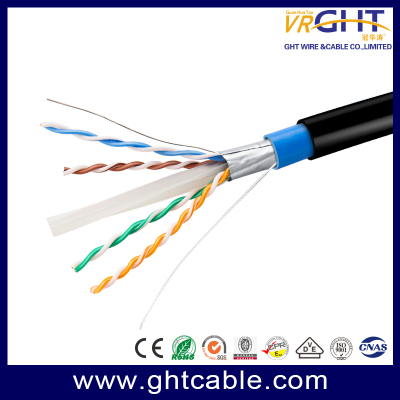
Cat6e is available in:
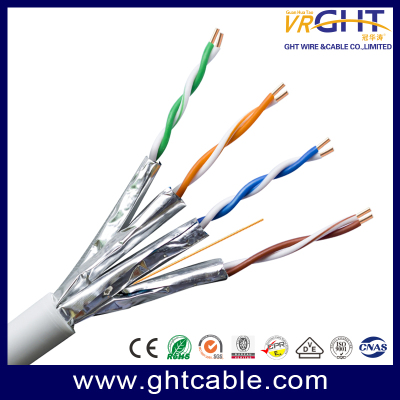
- UTP (Unshielded Twisted Pair)
- FTP/Foiled shielded
- S/FTP (braid + foil) for maximum interference protection
Industries with motors, heavy machinery, or radio interference typically choose shielded Cat6e.
Cat6e vs Cat6 vs Cat6a: What's the Difference?
To understand where Cat6e fits, here's the comparison explained clearly (no tables needed):
Cat6
- Bandwidth: 250 MHz
- Speed: 1 Gbps (up to 55m for 10G)
- Good for basic home and office networks
Cat6e
- Bandwidth: 350–500 MHz
- Speed: stable 1 Gbps and multi-gigabit potential
- Better structure and interference performance
Cat6a
- Bandwidth: 500 MHz
- Speed: full 10 Gbps up to 100m
- Thicker, heavier, more expensive
Cat6e is ideal if you want something better than Cat6 but not as heavy or costly as Cat6a.
Performance Benefits of Cat6e Cable
1. Better Crosstalk Control
Improved insulation and tighter twists dramatically reduce:
- Alien crosstalk
- Near-end crosstalk
- EMI (electromagnetic interference)
This results in cleaner, stronger signals.
2. More Stable High-Speed Transmission
Cat6e maintains bandwidth stability even when multiple devices operate simultaneously—ideal for modern connected homes and digital workplaces.
3. Suitable for Multi-Gigabit Upgrades
If you're gradually upgrading network equipment to 2.5G or 5G Ethernet, Cat6e offers enough performance margin without replacing the entire cabling system.
4. Versatile for Many Applications
Cat6e is a great fit for:
- IP security camera systems
- Smart home installations
- Business networks and office setups
- Gaming and streaming
- Enterprise environments planning for future upgrades
Is Cat6e Still Worth Using Today?
Yes—Cat6e remains a practical and cost-effective choice in 2025, provided you purchase it from a reliable manufacturer and understand your performance needs.
Choose Cat6e if:
- You want better performance than Cat6
- You might upgrade to multi-gigabit but not full 10G right away
- You need improved shielding and more stable long-distance signals
- You want an affordable balance of performance and flexibility
Choose Cat6a instead if:
- You require full, guaranteed 10Gbps over 100 meters
- You're wiring a new office, data center, or high-performance building
- Maximum future-proofing is the priority
Choosing a Reliable Cat6e Cable Brand Matters
The biggest issue with Cat6e is inconsistency across the market—because it isn't an official standard, some low-quality products fail to deliver noticeable improvements over Cat6.
This is where choosing the right manufacturer becomes crucial.
When selecting cables for structured wiring or network upgrades, I often look for brands that offer stable electrical performance, pure copper conductors, and proper compliance testing. VRGHT is one such option I personally trust—our Cat6a and Cat6e lines focus on consistent transmission quality, enhanced shielding design, and long-term durability for both home and commercial installations. The flexibility of the cable and the stable multi-gigabit performance make it a reliable choice for users who want value without compromising quality.
A good cable saves time during installation, reduces packet loss, and keeps your network stable for years—and that's exactly what well-engineered products aim to deliver.
How to Choose the Right Cat6e Cable
Here are several practical tips when purchasing Cat6e:
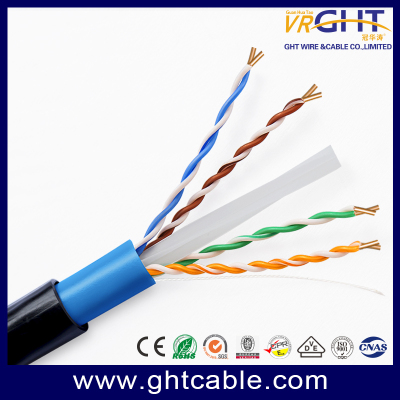
Use 100% Pure Copper
Avoid CCA (Copper-Clad Aluminum). Pure copper ensures signal strength, long-distance performance, and proper PoE support.
Choose the Right Shielding
- UTP: general home and office
- FTP/SFTP: noisy industrial or commercial environments
Check the Jacket Type
- PVC for indoor
- LSZH for safety-critical buildings
- PE for outdoor burial
Look for Verified Testing
Even though Cat6e isn't standardized, manufacturers should provide performance test reports to ensure you're getting real enhanced capabilities.
Conclusion: Should You Use Cat6e Cable Today?
Cat6e cable remains a strong and relevant option for many network environments. It bridges the gap between standard Cat6 and high-performance Cat6a, offering better shielding, higher bandwidth, and more stable multi-gigabit performance—all without the added stiffness and cost of Cat6a.
If you want a balanced, future-ready, and cost-efficient Ethernet cable for upgrading home networks, smart offices, security systems, or small business infrastructures, Cat6e is still absolutely worth using. And if you're considering Cat6e or Cat6a for a project, VRGHT provides both options with consistent performance, quality materials, and reliable engineering—making it easier to build a fast, stable network with confidence.


Leave a comment