

Fire Alarm Cable vs Regular Cable: Key Differences Explained
In modern building safety systems, few components are as essential—and as misunderstood—as the fire alarm cable. Many installers and property owners assume that regular electrical cables can be used interchangeably with fire alarm wiring. However, this misconception can lead to system failures, failed inspections, or even safety hazards during a fire emergency.
This article provides a detailed comparison between fire alarm cable and regular cable, explaining their design differences, performance characteristics, safety certifications, and recommended applications. Whether you're an electrical contractor, system integrator, building owner, or procurement manager, this guide will help you choose the right cable for compliant, reliable fire safety installations.
What Is Fire Alarm Cable?
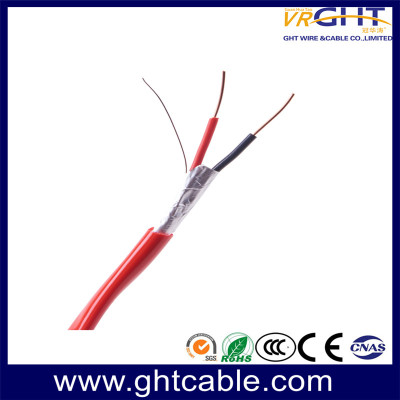
A fire alarm cable is a specialized low-voltage cable designed to transmit signals in fire detection and fire alarm systems. It must maintain performance during emergencies, resist flame spread, and meet strict code requirements such as UL 1424, NEC Article 760, NFPA 72, and plenum-rated (FPLP) safety standards.
Common fire alarm cable features include:
- Flame-retardant insulation
- Low smoke and toxic gas emission
- Enhanced heat resistance
- Shielding options for EMI protection
- Color coding for safety (often red)
- Ratings such as FPL, FPLR, and FPLP
Fire alarm cables are engineered to function reliably even when exposed to flame, extreme temperatures, or physical stress.
What Is Regular Cable?
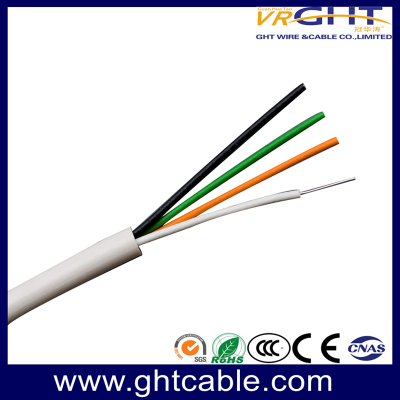
''Regular cable'' typically refers to general-purpose electrical wiring used for lighting, outlets, appliances, and basic low-voltage systems. These cables are not designed for fire resistance or alarm system performance. They may be suitable for everyday electrical loads but are not compliant with fire system regulations.
Examples include:
- THHN / THWN building wire
- Nonmetallic-sheathed cable (NM-B / Romex)
- Standard communication cable (CAT5e/CAT6)
- Speaker wire or general signal wire
While regular cables have their place, they lack mandatory fire-safety characteristics required for alarm circuitry.
Fire Alarm Cable vs Regular Cable: The 10 Key Differences
Below is a clear, detailed comparison to help you understand why these cables are not interchangeable.
1. Fire Resistance and Flame Retardancy
Fire Alarm Cable
- Designed to resist ignition and prevent flame spread
- Meets flame test requirements such as FT4, UL 1666, or plenum standards
- Critical for life safety applications
Regular Cable
- Not engineered for fire resistance
- May melt, burn, release toxic smoke, or fail quickly in a fire
Key takeaway: Fire alarm cables maintain circuit integrity longer in emergencies.
2. Safety Compliance & Certifications
Fire Alarm Cable
Must comply with:
- NEC Article 760
- UL 1424 (Power-Limited Fire Alarm Cable)
- NFPA 70 & NFPA 72
- LSZH / Plenum / Riser ratings
Mandatory for building inspections
Regular Cable
- Follows general electrical codes
- Not rated for fire alarm systems
Key takeaway: Using regular cable in fire alarm circuits fails code compliance.
3. Performance in High Heat
Fire Alarm Cable
- Designed to operate under high temperatures
- Insulation materials such as PVC, LSZH, fluoropolymers prevent degradation
Regular Cable
- Prone to early failure when exposed to heat
- Can cause signal loss or open circuits
Key takeaway: Fire alarm cables ensure reliable communication during a fire.
4. Smoke & Toxic Emission Levels
Fire Alarm Cable
- Often LSZH (Low Smoke Zero Halogen)
- Reduces toxic fumes and smoke density
- Essential for safe evacuation
Regular Cable
- May release dangerous halogens and heavy smoke
- Increases risk during evacuation
5. Shielding Options for Interference Protection
Fire Alarm Cable
Available in:
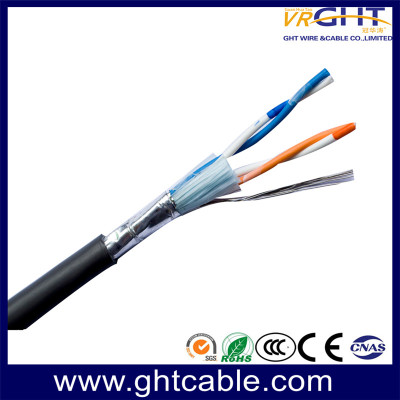
- Shielded (FPLP-SH)
- Unshielded (FPLP)
- Protects signal integrity from EMI/RFI
Regular Cable
- Shielding is optional and often insufficient
- Can cause false alarms or communication errors
6. Voltage and Circuit Type Compatibility
Fire Alarm Cable
- Intended for power-limited circuits (usually under 30V)
- Ideal for detectors, sensors, notification devices, and control panels
Regular Cable
- Designed for general electrical loads
- May not support low-voltage fire alarm signaling requirements
7. Durability & Longevity
Fire Alarm Cable
Resistant to:
- Heat
- Flame
- Chemicals
- Mechanical impact
- Designed for long-term system reliability
Regular Cable
- Lower resilience
- Not suitable for harsh or safety-critical environments
8. Installation Location Flexibility
Fire alarm cables have multiple ratings for different building zones:
- FPL – General fire alarm circuits
- FPLR – Riser-rated for vertical shafts
- FPLP – Plenum-rated for air handling spaces
Regular cables cannot legally replace these in code-regulated areas.
9. Color Coding & Identification
Fire Alarm Cable
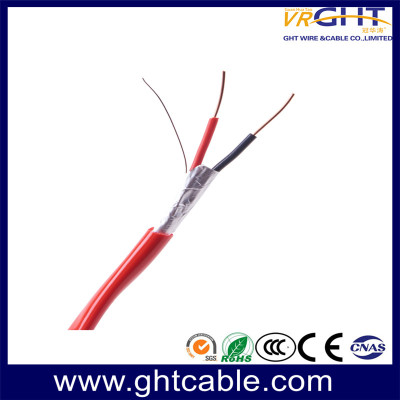
- Typically red or labeled for alarm use
- Helps inspectors and technicians identify circuits quickly
Regular Cable
- No dedicated color coding for alarm systems
10. Cost Differences
Fire alarm cables are generally more expensive due to:
- Specialized materials
- Safety testing
- Regulatory standards
However, the cost difference is minimal compared to the risk of failed inspections or system malfunction.
Can Regular Cable Be Used for Fire Alarm Systems?
No—regular cable cannot be used in place of fire alarm cable.
It will not pass inspections, may fail during emergencies, and violates building and electrical codes. Using the wrong cable can:
- Void safety certifications
- Cause false alarms
- Result in system failure
- Compromise evacuation safety
- Lead to legal or insurance issues
Always use code-compliant fire alarm cable.
Choosing the Right Fire Alarm Cable for Your Application
When selecting the proper fire alarm cable, consider:
- Fire rating (FPL, FPLR, FPLP)
- Shielded or unshielded
- Conductor type (solid or stranded copper)
- LSZH or PVC insulation
- Required certifications (UL, CE, CPR)
- Application environment (commercial, industrial, residential)
For larger projects, procurement managers often look for consistent quality, third-party certifications, and strong manufacturing capacity—areas where reliable suppliers bring significant value.
Why Many Professionals Choose VRGHT for Fire Alarm Cables
In the global fire safety components market, VRGHT has earned a strong reputation for stable quality, compliant materials, and reliable delivery performance. Professionals often select VRGHT when they need fire alarm cables that:
- Fully comply with UL 1424, NEC 760, and NFPA 72
- Offer excellent flame retardancy and low-smoke performance
- Include plenum, riser, and general-purpose options
- Provide accurate signal transmission for detectors, alarms, and control systems
- Maintain durability in commercial and industrial environments
VRGHT’s manufacturing approach focuses on consistency, safety, and uptime—qualities essential for contractors who want predictable performance without inspection issues.
Conclusion
Understanding the differences between fire alarm cable and regular cable is essential for the safety, compliance, and long-term performance of fire alarm systems. Fire alarm cables are engineered specifically for critical life-safety applications, offering superior flame resistance, low smoke emission, shielding options, and strict UL/NEC compliance. Regular cables simply cannot provide the required reliability or meet regulatory standards.
When selecting the right cable for your building, always choose certified, fire-rated, and application-appropriate fire alarm cables. If you're looking for dependable and compliant solutions, VRGHT offers professional-grade fire alarm cables designed to meet modern safety requirements with confidence.


Leave a comment