

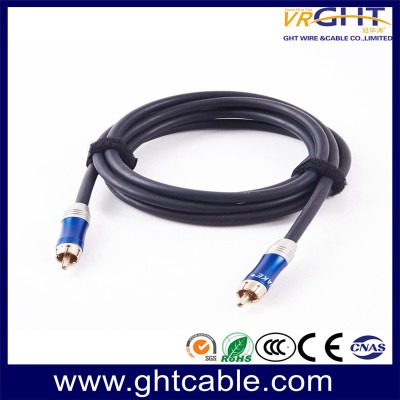
RCA Wiring vs HDMI: Key Differences Explained
Introduction: The Persistence of the "Phono" Connector
RCA wiring is one of the earliest and most widely used analog connection standards in audio and video systems. It has been used for decades in TVs, DVD players, amplifiers, and audio equipment.
Even with modern HDMI becoming the global standard for digital transmission, RCA wiring is still widely used in many legacy systems and professional audio setups.
Today, many users still search for:
- RCA wiring diagram
- RCA vs HDMI difference
- RCA cable connection guide
- RCA to HDMI converter solution
This article explains RCA wiring, compares it with HDMI, and helps you choose the right connection for your system.
RCA Wiring Diagram Explained
RCA wiring uses color-coded connectors to transmit analog audio and video signals in a simple and standardized way. The red connector is used for the right audio channel, the white connector carries the left audio channel, and the yellow connector is responsible for composite video transmission. In a typical RCA wiring setup, the audio source is connected through RCA cables to an amplifier or speaker system, while the video source is linked to a display device using the same type of connection. This straightforward RCA wiring diagram makes it highly compatible with analog audio systems and older AV equipment, where simple and reliable signal transmission is required.
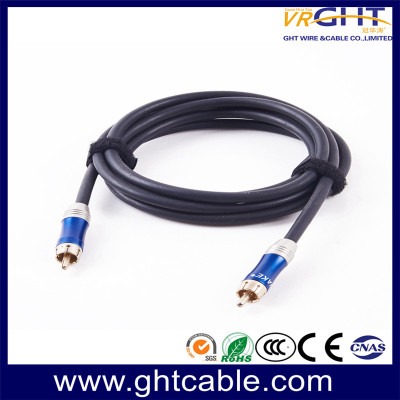
The Technical Divide: Analog vs. Digital
Signal Nature: RCA transmits analog signals in their original form; HDMI carries uncompressed digital data.
Resolution and Bandwidth: HDMI supports up to 8K and multichannel audio like Dolby Atmos, whereas RCA is limited to standard-definition (SD) and basic stereo or simple surround.
Cable Complexity: RCA uses separate cables for different signals (Red/White for audio, Yellow for video), while HDMI is an all-in-one solution.
Comparison Table
|
Feature |
RCA Wiring |
HDMI |
|
Signal Type |
Analog |
Digital |
|
Audio Output |
Stereo |
Multi-channel (Dolby Atmos) |
|
Video Quality |
SD (Composite) |
Up to 8K |
|
Cable Design |
Multiple cables |
Single cable |
|
Compatibility |
Legacy devices |
Modern devices |
When to Use RCA Wiring Instead of HDMI
RCA wiring is still widely used in many real-world scenarios where HDMI is not required or not compatible.
Key Scenarios Where RCA Still Wins
- Preservation of Vintage & Legacy Equipment:
- High-Fidelity Analog Audio Systems:
- Professional Audio & DJ Gear
- Cost-Effectiveness and Ease of Use:
RCA wiring remains important for users working with legacy audio video systems.
Maintenance and Troubleshooting
Signal Interference: RCA wiring uses analog signals, so it is sensitive to noise and interference.
Poor shielding may cause humming or distortion.
Connector Quality: High-quality RCA cable with gold-plated connectors helps improve stability and reduce oxidation.
Hot-Plug Noise Issue: Connecting RCA wiring while devices are powered on may cause popping or buzzing sound due to ground and signal timing differences.
Choosing High-Quality RCA Wiring
Choosing the right RCA wiring is important for stable audio performance and long-term durability.
Key factors: Strong cable shielding to reduce interference, Durable RCA connectors for stable connection, Reliable signal transmission for analog audio systems
Simple adapters cannot replace proper RCA wiring performance.
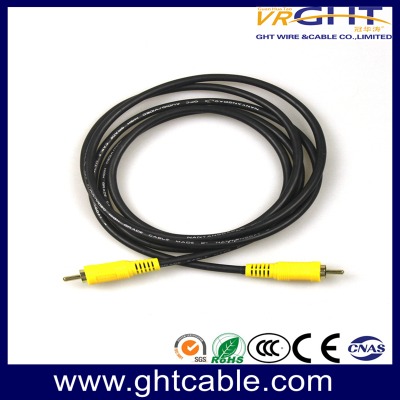
Why RCA Wiring Is Still Relevant Today
Even with HDMI dominating modern audio and video systems, RCA wiring is still widely used due to its strong compatibility with legacy devices such as older TVs, DVD players, and analog audio equipment. It remains valued for its stable analog audio performance, simple installation, and low cost, making it practical for everyday use and older system setups. RCA wiring is also still found in professional audio environments like DJ equipment and mixers. Overall, RCA wiring continues to act as a reliable bridge between traditional analog systems and modern digital technology.
Conclusion
RCA wiring and HDMI serve different roles in modern audio and video systems. HDMI is designed for high-resolution digital transmission, while RCA wiring remains essential for analog audio systems, legacy devices, and professional AV setups.
If you are working with RCA wiring, choosing a reliable RCA cable supplier is critical for signal stability and long-term performance.
At GHT Cable, we specialize in high-quality RCA cables designed for audio systems, AV connections, and industrial applications. Our RCA wiring solutions ensure stable signal transmission, strong shielding, and long-lasting durability.
FAQs
Q:What is RCA wiring used for?
A: RCA wiring is used for transmitting analog audio and video signals between devices such as TVs, DVD players, amplifiers, DJ equipment, and older AV systems. It is commonly used in legacy systems and analog audio setups.
Q: Is RCA wiring still used today?
A: Yes, RCA wiring is still widely used today, especially in older TVs, audio systems, professional DJ equipment, and home theater setups where HDMI is not required or not supported.
Q: What is the difference between RCA wiring and HDMI?
A: RCA wiring transmits analog signals and is limited to standard-definition video and stereo audio. HDMI transmits digital signals and supports high-definition video up to 8K along with multi-channel audio formats like Dolby Atmos.
Q: Why is my RCA cable producing noise or humming sound?
A: RCA wiring is sensitive to interference because it carries analog signals. Noise or humming is usually caused by poor shielding, long cable runs, or ground loop issues between connected devices.
Q: Is RCA wiring good for audio quality?
A: Yes, RCA wiring can deliver high-quality analog stereo audio when properly shielded. It is widely used in Hi-Fi systems and professional audio equipment for its natural sound characteristics.


Leave a comment