

Coaxial vs Fiber Network Cable Comparison
Introduction
Selecting the right physical network medium requires balancing transmission performance, environmental conditions, and lifetime deployment costs. This white paper provides a concise engineering comparison between traditional copper-shielded coaxial assemblies and advanced fiber optic waveguides to guide infrastructure planning in commercial and enterprise environments.
Structural Foundations and Signal Propagation Mechanics
Physical Composition of Coaxial Cable Systems
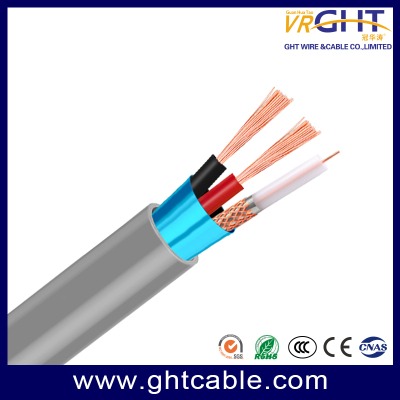
High-grade coaxial cable assemblies use a precise concentric design engineered to carry high-frequency radio frequency signals while protecting against outside electrical noise. The center of the assembly features a solid or stranded copper conductor—often engineered with high-purity oxygen-free copper—that serves as the main path for forward signal travel. A thick dielectric insulation layer, typically made of foamed polyethylene or fluorinated ethylene propylene, surrounds this central conductor, keeping the spacing perfectly uniform throughout the run to maintain structural integrity.
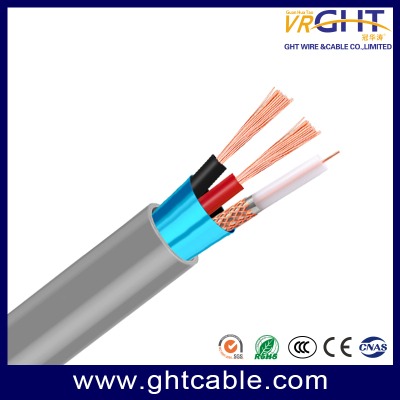
Surrounding the insulation is a multi-layered shielding system comprising a woven metallic braid and aluminum foil shield that forms a return path for the electrical circuit while blocking high-frequency external interference. A tough external polymer jacket protects the inner components from physical wear, moisture ingress, and chemical exposure.
Electromagnetic Wave Propagation Principles
Signal movement through a coaxial cable relies on transverse electromagnetic waves traveling within the dielectric space between the center conductor and the outer metallic shield. The dielectric material handles the electric and magnetic fields, keeping the energy tightly contained inside the cable structure. This concentric layout prevents high-frequency signals from radiating outward as ambient radio noise, preserving signal strength over short to medium distances.
The physical dimensions of the inner components and the dielectric constant of the insulation material determine the characteristic impedance of the cable. This impedance must match the connected equipment perfectly to prevent signal reflections, return loss, and data errors.
Optical Waveguide Structure and Total Internal Reflection
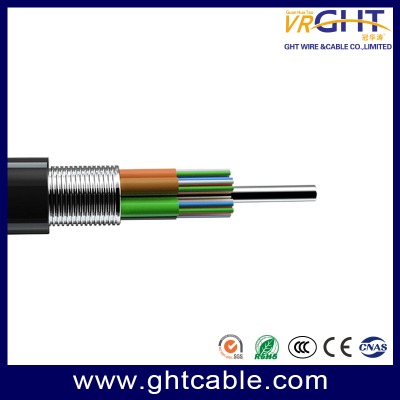
Fiber optic lines use an entirely different physical approach, moving data as modulated light pulses through a specialized glass structure rather than electrical signals through metal. The center of an optical fiber features a pure silica glass core wrapped in a secondary glass outer layer called cladding. The cladding material is doped to possess a lower refractive index than the center core.
This precise physical relationship enables Total Internal Reflection. When light enters the core at an angle shallower than the critical angle, it traps the light waves, forcing them to bounce continuously along the core with virtually no energy escaping through the cladding walls. A thin primary buffer coating protects the delicate glass core from micro-bends, macro-bends, and surface scratches during installation.
Bandwidth Capacity and Transmission Performance Metrics
Frequency Spectrum Allocations
The raw data capacity of a transmission line depends directly on the frequency spectrum its physical structure can support without excessive signal loss. Modern coaxial cable installations operate within a defined radio frequency spectrum. While legacy systems were capped at lower frequencies, modern DOCSIS 4.0 standards utilize extended spectrum allocations to support high-speed performance. This spectrum is split into specific frequency channels to handle download and upload data streams simultaneously.
Optical fiber operates in the infrared light spectrum, utilizing massive frequency ranges. This massive range allows fiber systems using Dense Wavelength Division Multiplexing to carry vastly more data channels simultaneously than any copper-based system, pushing throughput limits into exceptionally high volumes per fiber pair.
Attenuation Coefficients Across Distance
As signals travel along a physical medium, they naturally lose strength due to resistive heating in metal wires or scattering and absorption in glass cores. Coaxial assemblies experience significant, frequency-dependent attenuation over distance. This loss requires engineers to install inline signal amplifiers at regular intervals along extended cable runs to maintain data integrity.
Conversely, silica glass fiber networks experience incredibly low signal loss. Single-mode optical fiber operates at an extremely low attenuation coefficient, allowing light pulses to travel dozens of kilometers before requiring optical regeneration equipment.
Asymmetric Versus Symmetric Bandwidth Architectures
The physical and spectral limitations of copper networks often require designers to split available bandwidth unevenly, prioritizing downstream download traffic over upstream upload channels to maximize consumer utility. This asymmetric approach creates severe network bottlenecks during heavy upload tasks like cloud data synchronization, enterprise video conferencing, and off-site database backups.
Fiber optic systems easily support true symmetric transmission profiles, providing equal upload and download speeds simultaneously. This balanced performance is achieved by using separate, dedicated wavelengths of light or dedicated fiber strands for incoming and outgoing data, ensuring smooth traffic flow in both directions without structural bottlenecks.
Latency Profiles in High-Frequency Routing
Network response time, or latency, is determined by the Velocity of Propagation at which a signal moves through its transmission medium.
- Coaxial Cable: Electrical signals travel through the copper and dielectric structure at roughly eighty percent of the speed of light in a vacuum.
- Optical Fiber: Light pulses travel through a glass fiber core at approximately sixty-seven percent of the speed of light in a vacuum.
While copper lines exhibit a slightly faster raw propagation speed over short, direct distances, fiber networks achieve lower overall network latency over extended distances. This is because fiber eliminates the need for inline electronic amplifiers and active processing hardware, which add compounding packet serialization and routing delays to data streams.
Environmental Resilience and Electromagnetic Compliance
Ingress of Radio Frequency Interference
Industrial facilities and dense commercial areas often contain high levels of ambient electromagnetic noise from heavy machinery, electric motors, and high-voltage power lines. Coaxial cable installations rely strictly on their outer metallic shielding to block this interference from entering the data line.
In environments with severe electrical noise, high-power electromagnetic fields can penetrate the copper braid, introducing background noise into the data stream. This noise degrades the Signal-to-Noise Ratio, forcing the network to drop packets, initiate retransmissions, and slow down overall communication speeds.
Galvanic Isolation Advantages of Silica Mediums
Optical fiber networks use non-conductive silica glass strands to transmit data, making them completely immune to electromagnetic interference, radio frequency noise, and nearby lightning strikes. Because glass cannot conduct electricity, fiber lines provide total galvanic isolation between connected network nodes.
This physical characteristic completely eliminates ground loops, which occur when different parts of a copper network develop slight voltage potentials. Utilizing fiber optics protects sensitive digital control systems, such as Programmable Logic Controllers, from high-voltage surges and ensures clean data transmission in heavy industrial zones.
Ambient Temperature and Weatherproofing Concerns
Outdoor data lines must withstand extreme weather conditions. Temperature shifts change the electrical resistance and physical dimensions of copper conductors inside coaxial cable assemblies, causing signal performance to drift throughout the day. Extreme heat increases signal attenuation within both the conductor and the dielectric material, requiring automated thermal balancing systems to adjust network power levels.
High-quality fiber optic cables remain exceptionally stable across wide temperature ranges, as silica glass experiences minimal structural, refractive, or electrical change when exposed to environmental heat or cold.
Deployment Mechanics, Termination Engineering, and Integration Realities
Physical Mechanical Stress Thresholds
Installing data networks requires pulling long sections of cable through narrow conduits, tight ceiling spaces, and structural risers. Coaxial cable designs offer excellent physical ruggedness and crush resistance. The thick metal shield and tough outer jacket absorb tension, allowing installation teams to pull the cable around tight corners and through heavy structural paths without altering the internal layout or spacing.
Glass fiber strands are significantly more delicate and have lower initial tensile limits. Installers must use precise pulling techniques, adhere strictly to minimum bend radius rules to prevent macro-bending losses, and utilize specialized stress-relieving hardware to avoid introducing microscopic fractures into the glass core.
Connectorization Protocol Complexity
Terminating and connecting data lines requires specialized tools and specific techniques for each medium type. Coaxial cable termination uses straightforward mechanical processes where technicians strip the outer layers and crimp or compress heavy-duty brass or steel connectors. This quick process can be easily managed by installation crews with basic field training and validated with affordable field testers.
Optical fiber termination demands extreme precision. Technicians must align micron-scale glass cores perfectly using high-voltage fusion splicing machines. The completed optical splice must be carefully cleaned, measured via testing equipment to verify splice loss, and enclosed in a protective housing to prevent dust or moisture from blocking the light path.
Space Utilization Inside Routing Conduits
Conduit space inside building walls and under floors is a finite resource. Coaxial lines are relatively thick and stiff due to their internal copper layers and protective shielding, which severely limits the number of cables that can fit inside a single conduit pathway.
Optical fiber lines are highly compact. Hundreds of individual data strands can be bundled into a single slim cable jacket. This compact footprint allows network designers to pack massive data capacity into small routing channels, maximizing the use of existing building infrastructure without requiring expensive civil engineering upgrades.
Financial Analysis and Structural Total Cost of Ownership
When planning a physical layer architecture, procurement teams must evaluate expenditures across two distinct vectors: Capital Expenditures and Operational Expenditures.
|
Metric |
Coaxial Cable Systems |
Fiber Optic Systems |
|
Initial Material (CapEx) |
Low |
Moderate to High |
|
Installation Labor |
Low (Basic Training) |
High (Specialized) |
|
Active Infrastructure |
Moderate (Amplifiers) |
High (Transceivers) |
|
Maintenance & Lifecycle |
High (Corrosion/Drift) |
Low (Glass Medium) |
|
Future-Proofing Utility |
Low (Bandwidth Capped) |
High (Media Only) |
Capital Expenditures Breakdown
- Line Item Material Costs: High-quality copper-shielded cables generally cost less per length than premium fiber optic cables, making copper an attractive choice for tight upfront material budgets.
- Active Hardware Ecosystem: The electronic hardware required to run a copper network, including basic connectors and standard distribution hubs, offers a low upfront price point. Fiber optic setups require a larger initial investment due to the higher cost of advanced optical transceivers, laser drivers, and high-precision enterprise routing switches.
- Labor and Validation Expenses: Because fiber optics demand precise alignment and advanced splicing equipment, installation labor costs are typically higher. Specialized technicians must test each optical run using advanced testing machinery to verify performance, whereas coaxial setups can be verified using simpler, low-cost field testers.
Operational Expenditures and Lifecycle Value
While copper networks save money upfront, they often face compounding maintenance expenses as the infrastructure ages. Copper lines are highly susceptible to moisture corrosion, chemical breakdown, oxidation, and loose mechanical connections, which require ongoing troubleshooting, active monitoring, and component replacement over time. Active components like inline amplifiers also consume continuous electrical power and introduce field failure points.
Glass fiber networks do not corrode and do not require active, power-consuming inline equipment over standard enterprise distances, meaning they provide long-term reliability with minimal field maintenance.
Future-Proof Value
The true financial inflection point occurs during network lifecycle upgrades. When data demands scale, a coaxial infrastructure must eventually be entirely ripped out and replaced due to physical spectrum caps. A fiber network can handle future speed upgrades by simply changing the electronic transceivers at the endpoints of the line, avoiding the massive labor costs of pulling new cables through building structures.
Strategic Engineering Deployment Guidelines
Optimal Environments for Coaxial Cable Integration
Coaxial systems engineered by GHT remain an excellent, cost-effective choice for short to medium-distance distribution setups that require rugged physical durability and straightforward installation.
- Industrial Monitoring Loops: Excellent for local analog or high-definition camera networks.
- Short Links: Ideal for inside-the-rack connections, equipment rooms, and short infrastructure hops where high physical crush resistance is required.
- Legacy Retrofitting: Highly effective when upgrading existing facilities where pulling new cable is cost-prohibitive, allowing engineers to leverage modern hardware to extract maximum performance from existing structural runs.
Ideal Environments for Fiber Optic Deployment
Optical networks are the clear choice for high-speed data systems that connect multiple buildings, span long distances, or operate in high-noise environments. Enterprise data centers, high-capacity corporate networks, and automated manufacturing lines with heavy electrical interference require the speed and noise immunity of fiber. Fiber optic lines are also ideal for secure military and financial networks, as glass cables do not emit radio signals and are nearly impossible to tap without triggering an immediate system alert.
Conclusion
Choosing between coaxial and fiber systems requires a careful balance of environmental demands, transmission parameters, and budget constraints. Coaxial structures remain ideal for highly rugged, short-range applications requiring robust mechanical shielding and straightforward field termination. Conversely, optical fiber networks offer unmatched future-proof capabilities, delivering maximum bandwidth capacity, low attenuation, and absolute immunity to electromagnetic noise across extensive enterprise distances. For modern high-speed physical layers, utilizing premium infrastructure solutions engineered by GHT ensures the material precision, tight performance tolerances, and long-term deployment reliability needed to keep critical data networks operating smoothly.


Leave a comment