

7 Tips for Choosing the Right Network Cable Suppliers for Bulk Orders
For enterprise IT directors, project managers, and global procurement teams, sourcing bulk networking materials in 2026 requires a highly strategic approach. Whether you are building infrastructure for smart lighting manufacturers, outfitting new energy plants, or upgrading medical equipment networks, the quality of your cabling directly impacts system stability.
Partnering with professional network cable suppliers can help you avoid costly downtimes and maintenance issues. Here are seven pro tips to help you select the right supplier for your bulk orders.
Tip 1: Demand Pure Bare Copper Over CCA
When sourcing bulk Ethernet cables, the conductor material is the most critical factor. Many low-cost suppliers offer CCA (Copper-Clad Aluminum) cables to reduce prices. However, CCA is highly unsuitable for professional installations, especially for Power over Ethernet (PoE) applications. Aluminum has higher electrical resistance, which can lead to overheating, severe voltage drop, and potential fire hazards.
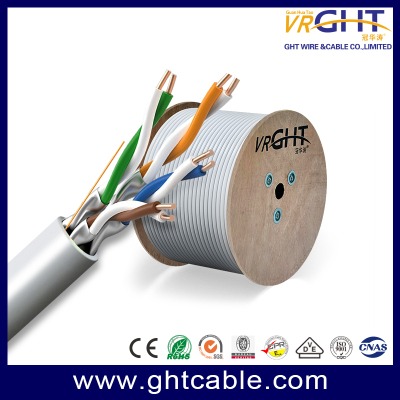
Always insist on pure bare copper (solid copper). Pure copper cables deliver superior conductivity, flexibility, and safety. Reputable manufacturers like GHT Cable prioritize high-quality bare copper for all Cat5e, Cat6, and Cat8 lines, providing stable performance for demanding B2B environments.
Quick Comparison: Bare Copper vs. CCA
|
Feature |
Pure Bare Copper |
CCA (Copper-Clad Aluminum) |
|
Conductivity |
Excellent |
Poor (High resistance) |
|
PoE Suitability |
Highly Recommended |
Unsafe (Risk of overheating) |
|
Flexibility |
High (Less prone to breaking) |
Low (Brittle and easily broken) |
|
Long-Term Value |
High Reliability |
High Maintenance Costs |
Tip 2: Verify Fluke Testing Compliance
To ensure high-fidelity data transmission and prevent packet loss, your supplier must employ rigorous quality control. The industry standard for this is Fluke Networks testing. Reliable network cable suppliers should be able to provide Fluke test reports (such as Channel or Permanent Link tests) upon request. Passing these tests indicates that the cables meet strict standards for crosstalk, return loss, and overall bandwidth capabilities.
Tip 3: Look for Shielding Options (UTP vs FTP)
Different operational environments require specific cable shielding to mitigate Electromagnetic Interference (EMI).
UTP (Unshielded Twisted Pair): Cost-effective and highly flexible. Ideal for standard office LANs and general commercial buildings where EMI is minimal.
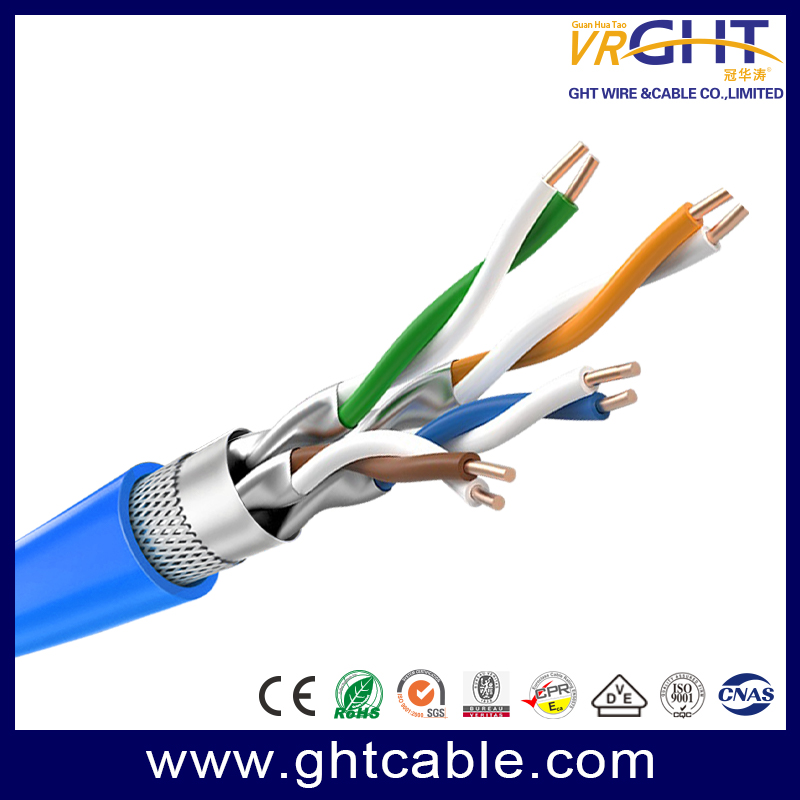
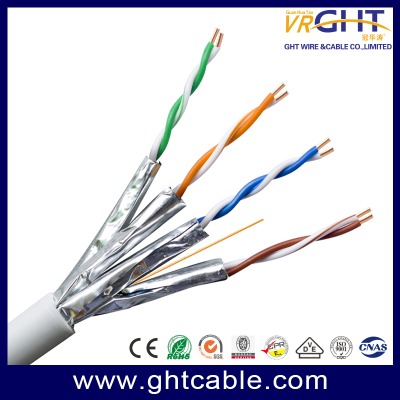
FTP/SFTP (Foiled/Shielded Twisted Pair): Features an aluminum foil or braided shield around the twisted pairs. This is essential for facilities with heavy machinery, such as automotive inspection plants or factories with extensive electrical noise.
A versatile manufacturer will assess your specific application and recommend the optimal shielding type.
Tip 4: Evaluate Jacket Material Capabilities
A cable's outer jacket protects it from environmental hazards. Ensure your supplier offers customized jacket materials for different deployment scenarios:
PVC: Standard for general indoor routing.
LSZH (Low Smoke Zero Halogen): Crucial for public buildings and poorly ventilated indoor spaces, as it emits minimal smoke and no toxic halogens during a fire.
PE (Polyethylene): Designed for outdoor environments, offering strong UV and moisture resistance.
Tip 5: Check Minimum Order Quantities (MOQ)
When managing large-scale projects, rigid MOQs can complicate your procurement process. Direct factory suppliers typically offer more flexible MOQs compared to trading companies. Look for a partner that can scale production according to your project phases without enforcing unreasonable minimum limits on initial trial orders.
Tip 6: Assess Lead Times and Production Capacity
Project delays can be incredibly costly. During the evaluation phase, ask potential suppliers about their daily production capacity and average lead times. A true manufacturer with mature extrusion and cabling lines can usually process bulk orders swiftly, helping you keep your installation schedule on track.
Tip 7: Seek Comprehensive OEM/ODM Services
For brand owners and system integrators, customization is key. The best network cable suppliers offer robust OEM/ODM services, including custom jacket colors, specialized length printing (e.g., foot or meter marks), and customized packaging (spools, pull-boxes, or wooden reels) that align with your brand identity.
Why GHT Cable is the Preferred Supplier for Global Buyers
Selecting the right partner streamlines your supply chain. GHT Cable operates as a direct manufacturer, providing complete control over the production process—from copper drawing to final testing. By focusing on pure copper materials, stringent Fluke testing standards, and flexible OEM solutions, GHT Cable supports businesses worldwide in building resilient, future-ready network infrastructures.
Frequently Asked Questions
Q1: Why should I avoid CCA cables for my PoE devices?
A: PoE devices (like IP cameras or smart lighting nodes) draw power through the network cable. CCA has higher resistance than pure copper, which causes the cable to heat up significantly, potentially damaging the cable and the connected devices.
Q2: Can GHT Cable customize the length and color of bulk network cables?
A: Yes, as a direct manufacturer, GHT Cable offers comprehensive OEM/ODM services, including custom jacket colors, specific lengths, and branded packaging to meet your project needs.


Leave a comment