

RG6 vs RG59 vs RG11: Complete Comparison Guide 2026
Choosing the right coaxial cable can improve signal quality and reduce problems. Many people compare RG6, RG59, and RG11 when setting up internet, television, or security systems. This guide explains the key differences and helps you select the best option for your needs.
What Is RG59 Coaxial Cable?
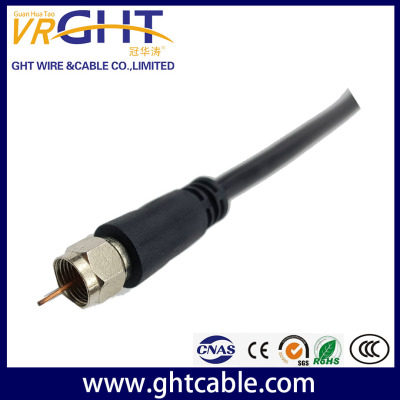
RG59 is one of the older coaxial cable types still in use today. It has a thinner center conductor, usually 20 AWG or 22 AWG. The cable diameter is smaller than RG6, which makes it more flexible and easier to install in tight spaces.
\
RG59 works well for shorter distances and lower frequency signals. It is commonly used in older CCTV systems and some analog video applications. However, it has higher signal loss over longer runs compared with newer cables. For modern high-speed internet or high-definition video, RG59 is often not the best choice.
What Is RG6 Coaxial Cable?
RG6 is the most widely used coaxial cable for residential and commercial installations today. It features a thicker center conductor, typically 18 AWG. The cable also has better shielding, often including foil and braid layers.
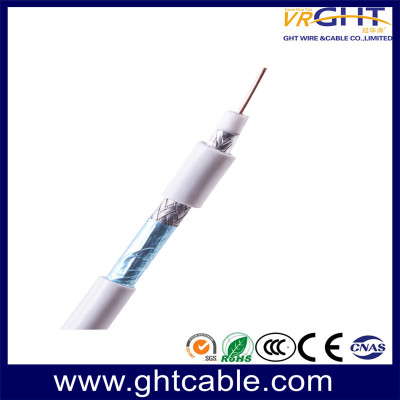
RG6 handles higher frequencies with lower signal loss than RG59. This makes it suitable for cable internet, digital television, and satellite systems. Most modern homes use RG6 as the standard coaxial cable for connecting modems and set-top boxes. It offers a good balance of performance, flexibility, and cost.
What Is RG11 Coaxial Cable?
RG11 is a thicker and more robust coaxial cable. It uses an even larger center conductor, usually 14 AWG. The overall diameter is noticeably bigger than RG6, which makes the cable stiffer and harder to bend.
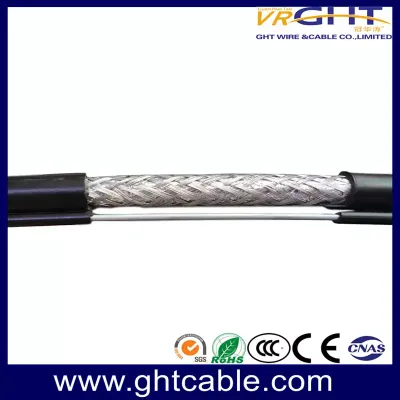
RG11 provides the lowest signal loss of the three types. It is designed for long-distance runs, such as from the street to a building or between floors in large properties. Installers often choose RG11 when the cable length exceeds 100 feet or when signal strength must stay strong over distance.
Key Specifications Comparison
The table below shows the main differences between RG6, RG59, and RG11 coaxial cable.
|
Feature |
RG59 |
RG6 |
RG11 |
|
Center Conductor |
20–22 AWG |
18 AWG |
14 AWG |
|
Cable Diameter |
Smaller |
Medium |
Larger |
|
Flexibility |
High |
Good |
Low |
|
Signal Loss |
Higher |
Lower |
Lowest |
|
Best Frequency Range |
Lower frequencies |
Up to 3 GHz |
High frequencies |
|
Typical Maximum Distance |
Short runs |
Up to 100–150 feet |
Over 150 feet |
|
Common Applications |
Older CCTV, analog video |
Internet, TV, satellite |
Long runs, main lines |
This comparison makes it easier to see why RG6 has become the standard choice for most homes while RG11 serves specialized long-distance needs.
Signal Loss and Performance Differences
Understanding Attenuation
Signal loss, also called attenuation, is one of the most important factors when selecting coaxial cable. Higher loss means weaker signals at the end of the run.
RG59 shows more loss, especially at higher frequencies used by modern internet and digital TV. RG6 reduces this loss significantly. RG11 performs best over long distances because of its larger conductor and improved design.
Impact on Real-World Use
For cable internet, lower loss helps maintain stable speeds. In CCTV systems, lower loss produces clearer video images. Choosing the wrong cable can lead to pixelation, slow internet, or dropped connections.
Best Uses for Each Coaxial Cable
RG59 Applications
RG59 still has limited but useful applications. It works for short CCTV camera runs under 50 feet and some older analog equipment. Its flexibility makes installation easier in tight areas.
RG6 Applications
RG6 is the recommended coaxial cable for most everyday uses. It performs well for cable internet connections, digital television, satellite receivers, and standard CCTV systems. Many professional installers use RG6 as their default choice because it offers reliable performance without excess bulk.
RG11 Applications
RG11 is ideal when the cable must travel long distances. Examples include the main feed from the utility pole to a house, backbone runs in multi-story buildings, or outdoor installations covering large properties. The thicker construction also provides better durability in some outdoor environments.
How to Choose Between RG6, RG59, and RG11
Step 1: Check the Distance
Start by measuring the required cable length. For runs under 50 feet with basic video needs, RG59 may be acceptable. For most home internet and TV installations between 50 and 150 feet, RG6 is the practical choice. When the distance exceeds 150 feet or signal strength is critical, select RG11.
Step 2: Consider the Application
High-speed cable internet and HD or 4K television benefit from RG6 or RG11. Older analog CCTV systems can sometimes use RG59, but many modern security cameras work better with RG6.
Step 3: Evaluate Shielding and Conductor
Shielding quality matters too. Look for coaxial cable with dual or quad shielding when the installation is near power lines or other sources of interference. Solid copper conductors generally perform better than copper-clad steel in most situations.
Common Mistakes to Avoid
One frequent mistake is using RG59 for modern cable internet. The higher loss can reduce speeds and cause connection problems. Another error is choosing RG11 for short indoor runs. The stiff cable is harder to install and offers little benefit over short distances.
People sometimes ignore connector quality. Even the best coaxial cable can lose performance with poor connectors. Always pair the cable with proper F-type or BNC connectors that match the cable size.
Finally, avoid mixing different cable types in one continuous run without proper consideration. Transitions between RG59 and RG6 can introduce extra loss if not done carefully.
Practical Installation Tips
Keep cable runs as short as practical while meeting the layout needs. Avoid sharp bends, especially with RG11. Use the correct tools for stripping and terminating the cable to maintain shield integrity.
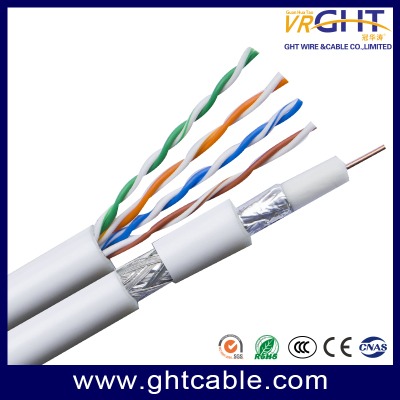
For outdoor sections, choose coaxial cable with weather-resistant jackets. In CCTV projects, many installers prefer Siamese coaxial cable that combines video and power conductors. This approach simplifies wiring and reduces the number of separate cables.
Test the signal after installation whenever possible. A simple signal meter can confirm that the chosen coaxial cable delivers adequate strength at the endpoint.
Conclusion
RG6 is the best all-around coaxial cable for most internet, television, and CCTV applications. RG59 suits short or older installations, while RG11 excels in long-distance runs.
VRGHT offers reliable RG6, RG59, and RG11 coaxial cables built for stable performance. Contact us today for product details, samples, or bulk pricing.
Frequently Asked Questions
Can I use RG59 instead of RG6 for internet?
It is not recommended. RG59 has higher signal loss and may cause slower speeds or unstable connections with modern cable internet.
Is RG11 better than RG6?
RG11 has lower loss and works better for long distances. For standard home runs under 150 feet, RG6 is usually sufficient and easier to install.
Which coaxial cable is best for CCTV?
RG6 is the preferred choice for most current CCTV systems. RG59 can work for very short runs, while Siamese versions of these cables offer added convenience.
Does the conductor material matter?
Yes. Solid copper conductors generally provide better performance and lower resistance than copper-clad alternatives.
Can I mix RG6 and RG11 in the same installation?
Yes, but keep transitions to a minimum and use high-quality connectors to limit extra signal loss.


Leave a comment