

Do You Need a Coaxial Cable for Internet / WiFi? Complete Guide 2026
Many people ask if they need a coaxial cable for internet or WiFi. The short answer is: it depends on your internet type. A coaxial cable is required for cable internet. It is not needed for fiber, DSL, or most wireless options. This guide explains when you need a coaxial cable, its main coaxial cable uses, and how to choose the right one.
What Is a Coaxial Cable?
A coaxial cable is a type of electrical cable. It has a center conductor, insulation, a metal shield, and an outer jacket. The design protects the signal from interference. This makes the coaxial cable reliable for data and video.
Common types include RG6, RG59, and RG11. Each type suits different distances and frequencies. High-quality coaxial cable from a trusted manufacturer ensures stable performance.
Do You Need a Coaxial Cable for Internet?
You need a coaxial cable if you have cable internet service. Providers like Xfinity, Spectrum, or Cox use coaxial cable to deliver internet to your modem. The cable runs from the wall outlet to the modem.
You do not need a coaxial cable in these cases:
- Fiber internet uses fiber optic cable.
- DSL uses a phone line.
- 5G home internet or mobile hotspots are wireless.
- Satellite internet uses its own dish cable.
If your modem has a coaxial port, you need a coaxial cable. Check your internet plan or the back of your modem to confirm.
Do You Need a Coaxial Cable for WiFi?
WiFi itself does not need a coaxial cable. Your router creates the WiFi signal. However, the internet signal must reach the modem first. For cable internet, that signal arrives through a coaxial cable.
Without a proper coaxial cable connection to the modem, your WiFi will not work. The coaxial cable carries the internet to the modem. The modem then passes it to the router for WiFi.
Main Coaxial Cable Uses
Coaxial cable has many practical uses beyond internet. Understanding coaxial cable uses helps you choose the right product.
Common coaxial cable uses include:
- Cable internet and modem connections
- Cable television and satellite TV
- CCTV and security camera systems
- Video transmission in older equipment
- Antenna connections for over-the-air TV
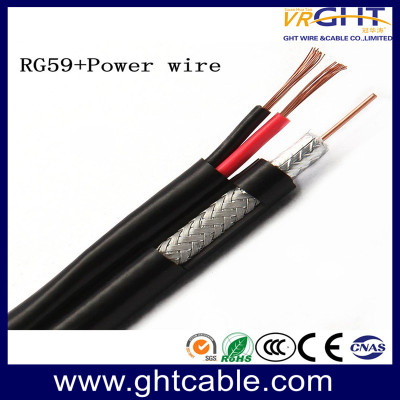
In CCTV systems, many installers prefer Siamese coaxial cable. It combines video and power in one run. This reduces installation time and cost. For internet and TV, RG6 coaxial cable is the standard choice due to lower signal loss.
Coaxial Cable vs Other Options
Here is a simple comparison of connection types:
|
Connection Type |
Needs Coaxial Cable? |
Typical Speed |
Best For |
|
Cable Internet |
Yes |
100 Mbps – 1 Gbps+ |
Most homes |
|
Fiber Internet |
No |
500 Mbps – 10 Gbps+ |
High-speed needs |
|
DSL |
No |
10 – 100 Mbps |
Basic use |
|
5G / Mobile Hotspot |
No |
Varies |
Flexible or temporary |
|
Satellite |
No (uses own cable) |
25 – 100 Mbps |
Rural areas |
This table shows that coaxial cable remains important for many users. Even as fiber grows, millions of homes still rely on coaxial cable for internet.
How to Choose the Right Coaxial Cable
Selecting the correct coaxial cable improves speed and reliability. Follow these tips:
1. Use RG6 for most internet and TV connections. It handles higher frequencies better than RG59.
2. Choose RG11 for very long runs (over 100 feet).
3. Look for solid copper conductors and good shielding.
4. Prefer gold-plated or high-quality connectors to reduce signal loss.
5. Match the cable length to your needs. Longer cables can weaken the signal.
For CCTV, consider Siamese coaxial cable. It combines RG59 or RG6 with power wires. This is one of the most efficient coaxial cable uses in security systems.
You can explore reliable coaxial cable options and specialized RG6 products designed for stable performance on our product pages.
Common Problems and Solutions
Sometimes a coaxial cable connection fails. Common issues include:
- Loose connectors
- Damaged cable
- Wrong cable type (using RG59 for high-speed internet)
- Signal splitters that weaken the signal
Check all connections first. Replace old or damaged coaxial cable with a new RG6 cable. Avoid cheap cables with poor shielding. Quality coaxial cable reduces interference and maintains speed.
Why Quality Coaxial Cable Matters
A good coaxial cable protects your signal. Poor cables cause slow speeds, dropouts, or pixelation on TV. For internet, this means buffering and unstable WiFi.
Manufacturers with proper testing and certifications produce better coaxial cable. Look for cables that meet industry standards. This ensures long-term reliability for both internet and other coaxial cable uses.
Conclusion
You need a coaxial cable for cable internet, but not for fiber, DSL, or wireless services. Choose quality RG6 or Siamese coaxial cable for reliable performance in internet, TV, and CCTV applications.


Leave a comment